
Semiconductor Dehumidifier Manufacturer for Commercial and Industrial Moisture Control
A semiconductor dehumidifier, also called a Peltier or thermoelectric dehumidifier, removes moisture without a compressor. We are based in Jiaxing, Zhejiang, China, and supply semiconductor dehumidifiers for electrical cabinets, industrial enclosures, server rooms and laboratory equipment. OEM and custom orders are accepted.
-
![Economical Dehumidifier]() Economical DehumidifierThe Economical Dehumidifier uses semiconductor technology to remove excess moisture from indoor air. Its compact, lightweight design and adjustable settings make it a practical option for everyday...view more
-
![Dehumidify Basement]() Dehumidify BasementDehumidify Basement is a compressor-based refrigeration dehumidifier for residential and commercial underground spaces. It is available for distributors and private-label buyers, with configurable...view more
-
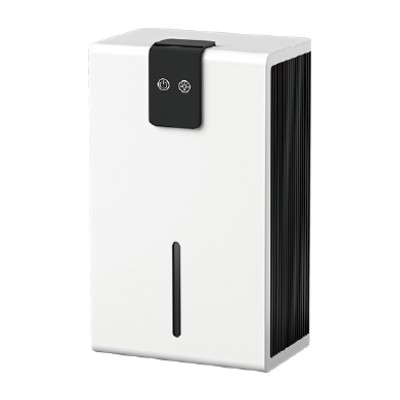
![Portable Semiconductor Dehumidifier]() Portable Semiconductor DehumidifierThe Portable Semiconductor Dehumidifier uses Peltier thermoelectric technology to remove moisture without a conventional compressor. Its compact design, integrated water tank and OEM/ODM options...view more
-
![Compact Semiconductor Dehumidifier]() Compact Semiconductor DehumidifierThe Compact Semiconductor Dehumidifier is a miniature dehumidifier for small enclosed spaces. It uses semiconductor condensation technology and works without a compressor or refrigerant. The unit...view more
-
![Quiet Semiconductor Dehumidifier]() Quiet Semiconductor DehumidifierThe Quiet Semiconductor Dehumidifier is designed for localized moisture control in bedrooms, wardrobes and other small spaces. Its compressor-free Peltier system and compact format suit...view more


Technical Specifications
|
Model Type |
Dehumidification Capacity |
Typical Application |
|
Mini Cabinet Type |
0.3–1 L/day |
Small electrical enclosures and control cabinets |
|
Standard Cabinet Type |
1–5 L/day |
Medium-sized cabinets and electrical enclosures |
|
Industrial Type |
5–20 L/day |
Larger enclosures or applications with higher moisture loads |
Compare Semiconductor Dehumidifier Types
|
Product Type |
Key Characteristics |
Typical Applications |
|
Economical Dehumidifier |
Practical model for regulating humidity in different environments |
General moisture control |
|
Portable Semiconductor Dehumidifier |
Compact, user-friendly design |
Small spaces requiring flexible placement |
|
Compact Semiconductor Dehumidifier |
Small size for limited installation space |
Areas with limited space |
|
Quiet Semiconductor Dehumidifier |
Designed to reduce humidity with minimal noise |
Noise-sensitive indoor spaces |
|
Dehumidify Basement |
Built for high humidity in basements |
Basements, where humidity can lead to mold, musty smells and damage |
Selection Guide
|
Selection Factor |
What to Check |
|
Dehumidification Capacity |
Match rated capacity to the enclosure size and expected moisture load. |
|
Operating Environment |
Confirm ambient temperature, relative humidity and condensation risk. |
|
Power Supply |
Verify input voltage, AC/DC requirements and rated power. |
|
Installation Space |
Check dimensions, mounting options and ventilation clearance. |
|
Control Requirements |
Confirm available humidity controls, alarms and communication interfaces. |
|
Environmental Protection |
Verify the required IP rating and housing material for the installation environment. |
Semiconductor Dehumidifier Applications
Residential Spaces
Small spaces such as a nursery, a laundry room or a wine cellar.
01
Commercial Settings
Small shops, kiosks and individual offices, to help protect merchandise and equipment from moisture.
02
Storage Areas
Small storage units holding clothing, documents and electronics, to help limit rust, mold and mildew.
03
Educational Institutions
Classrooms, libraries and laboratories, to help preserve books, teaching materials and equipment.
04
Basements
Underground rooms with high humidity.
05
Electrical Configuration
Input voltage, rated power and electrical connections can be reviewed for the target market and application.
Mounting and Housing
Housing dimensions, materials and mounting arrangements can be evaluated for OEM integration, subject to model compatibility.
Control and Interface Options
Available sensors, displays, alarm outputs and communication interfaces vary by model. Confirm support for Modbus RTU, RS485 or dry-contact signals before ordering.
Branding and Packaging
OEM requirements may include logo application, product labels, customized packaging and multilingual manuals. Artwork, specifications and approval samples should be confirmed before production.
Custom Product Development
For product modifications, provide drawings, target specifications, order quantity and operating conditions. Feasibility, tooling costs, samples and production schedules can then be assessed.
Quality Control & Compliance
Component and Assembly Inspection
Key components, including the thermoelectric module, fan, electrical connections, housing and condensate collection parts, are checked against product specifications.
Functional, Aging and Performance Testing
Products undergo functional checks and aging tests to assess operational stability. Performance testing may include power consumption, fan operation, condensate collection and dehumidification capacity under specified conditions.
Finished Product Inspection
Finished units are checked for appearance, dimensions, electrical configuration, accessories and labeling before shipment.
Product Compliance and Patents
Most of our products have undergone CE, RoHS, REACH and MSDS-related assessments or inspections, as applicable. Many products are also covered by Chinese patent certificates. Available documentation depends on the specific product and should be confirmed before ordering.
Batch and Shipment Verification
For bulk orders, inspection criteria, sampling requirements, carton markings and packaging specifications can be agreed upon before shipment. Relevant inspection records can be confirmed during order review.
Air filter: Clean or replace every 2–4 weeks during heavy use to maintain airflow and efficiency. Clean with a soft brush or rinse under running water, and dry it thoroughly before reinstalling.
Water collection bucket: Inspect and clean regularly to prevent mold growth and odors. Empty it when full.
Exterior grilles and vents
Check monthly for blockage to keep airflow unobstructed.
Condenser coils
Check and clean annually, as dust buildup reduces efficiency.
Humidistat
Test periodically to confirm it measures and responds correctly to humidity levels.
FAQ
As one of the most professional semiconductor dehumidifier manufacturers and suppliers in China, we offer a wide range of products with superior quality. Please feel free to wholesale durable semiconductor dehumidifier for sale here from our factory. We also accept customized orders.
Compact Semiconductor Dehumidifier, Dehumidify Basement, Quiet Semiconductor Dehumidifier